
This item cannot be returned.
SoundBridge Virtual Collection (Subscription, 1-Year, Download)
ID: 185915
• SKU: 1505-1005

Authorized Dealer
In Stock
$49.90
100 in stock
On Sale




SoundBridge Virtual Collection Overview
Last Edited: May 25, 2026
Modern music production has evolved far beyond traditional studio environments. Producers, vocalists, sound designers, and mix engineers now collaborate from different cities, countries, and time zones without needing to be in the same physical space. What once required expensive studio sessions and complicated file exchanges can now happen almost instantly through online collaboration workflows.
As remote production continues to grow across electronic music, songwriting, podcasting, and multimedia audio projects, virtual collaboration tools inside modern DAWs have become increasingly important. Today's producers and musicians are not only looking for stable audio performance. They also desire collaboration systems that allow ideas to move quickly between remote sessions without interrupting the creative process. Different DAWs approach remote collaboration in very different ways. Some platforms focus heavily on traditional studio-style recording environments with advanced routing, monitoring, and engineering tools. Others prioritize streamlined collaboration systems designed to simplify session sharing between producers and remote musicians.
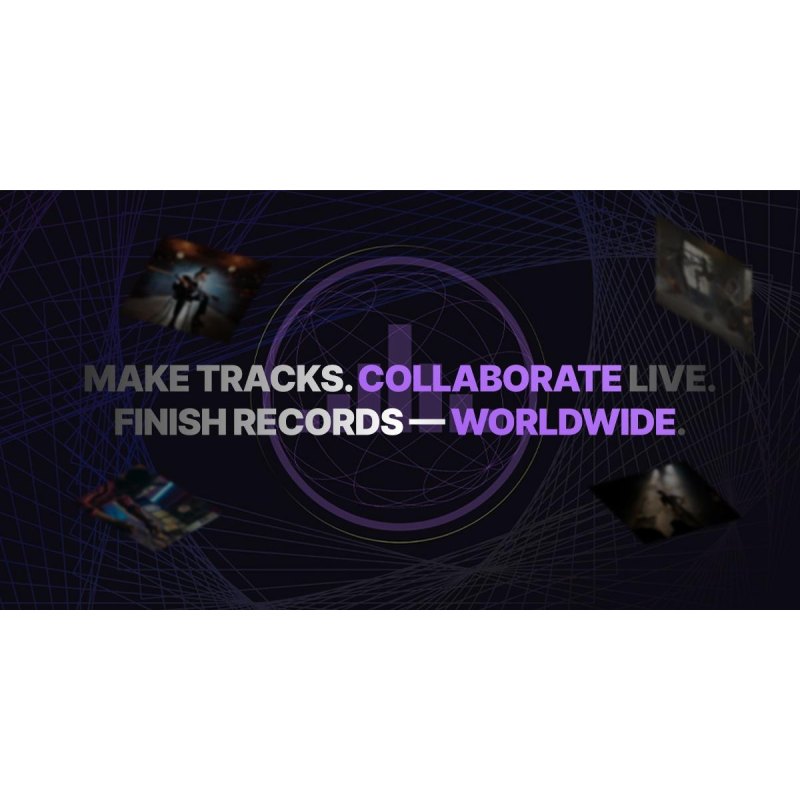
SoundBridge Virtual Collaboration takes a more streamlined approach focused on accessibility, flexibility, and direct interaction during sessions. Instead of building collaboration entirely around complex studio infrastructure, SoundBridge emphasizes a faster, more approachable experience for producers working remotely on music projects.
How Virtual Collaboration Is Changing Music Production
Modern music production increasingly relies on fast, flexible online collaboration among producers, engineers, and creators. Some DAWs focus on traditional studio-oriented remote recording, while others prioritize streamlined creative collaboration. Advanced remote recording systems often require more configuration for routing, monitoring, and session management.
Integrated collaboration systems can help producers exchange ideas more quickly while reducing interruptions during remote sessions. SoundBridge Virtual Collaboration combines integrated communication, synchronized sessions, and intuitive remote collaboration tools inside a single production environment.
Traditional Remote Recording vs Modern Creative Collaboration
As online production became more common, remote collaboration systems also began evolving in different directions. Some platforms continued building on traditional recording studio structures, while others adapted to the faster, more flexible production styles used by modern producers.
In traditional remote recording environments, collaboration often centers on controlled recording sessions, detailed monitoring systems, synchronized playback, and engineer-managed workflows. These systems are especially useful for professional recording sessions where precision and session organization are critical.
At the same time, a newer generation of producers started approaching collaboration differently. Instead of recreating a traditional studio remotely, many creators needed a faster way to exchange ideas, continue unfinished projects, share arrangements, or build tracks together online without interrupting the creative process.
This shift gradually changed what many producers expect from remote collaboration systems. For smaller studios, independent artists, and electronic music creators, session speed and ease of use can often become more important than highly technical studio management features.
Understanding Different Virtual Collaboration Workflows
Not all virtual collaboration systems are designed around the same type of production environment. Some systems are built primarily for recording engineers and structured studio sessions, while others focus more on accessibility, speed, and direct interaction between producers and musicians.
This difference becomes especially noticeable during real-world production sessions. In some environments, collaboration may involve detailed setup procedures, routing configuration, and technical session management before production can begin. In others, the focus is placed on reducing interruptions and allowing collaborators to exchange ideas as quickly as possible.